How Shockwave Therapy Is Used in Orthopedic Clinics

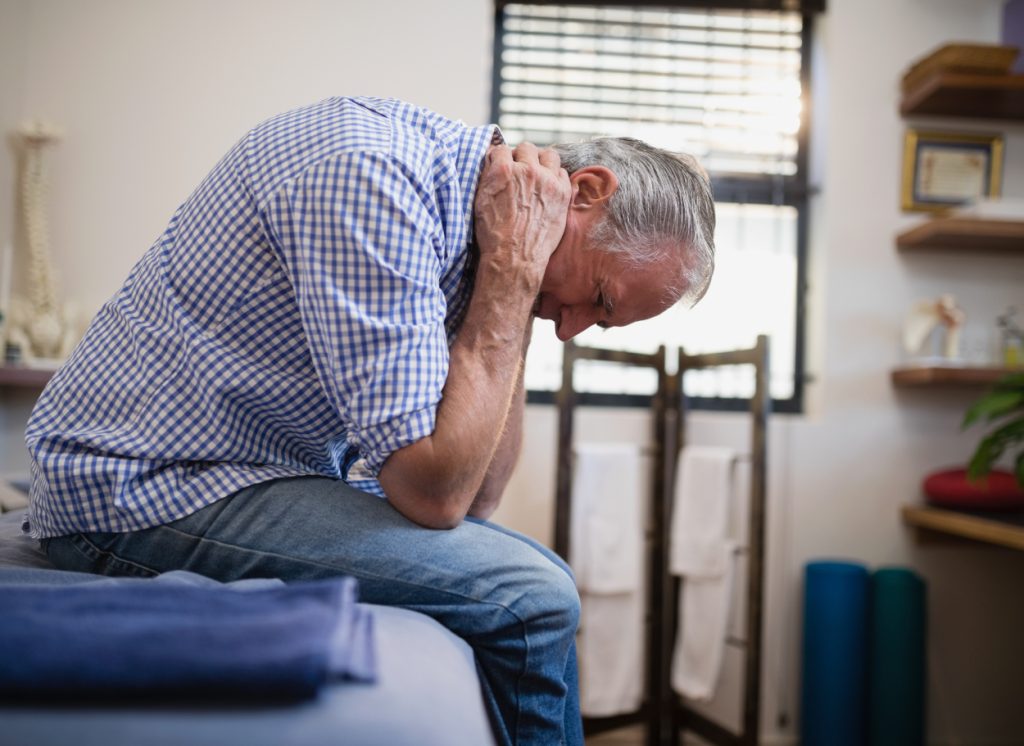

Orthopedic clinics see the same pattern every week: a patient comes in with pain that has lingered far longer than expected, often despite rest, ice, anti-inflammatory medication, stretching, and months of well-meant advice from friends, coaches, or the internet. The pain is rarely dramatic enough for emergency care, but it is stubborn enough to interfere with work, sleep, exercise, and mood. Plantar fasciitis that makes the first morning steps miserable. Tennis elbow that turns a coffee mug into a chore. Achilles pain that flares every time running mileage climbs. Calcific shoulder tendinopathy that blocks overhead movement and wakes the patient at night.
This is one of the clinical spaces where Shockwave Therapy has found a meaningful role. In orthopedic practice, it is not a cure-all and it is not used for every painful tendon or joint. Used well, though, it can help push a stalled recovery forward, especially in chronic soft tissue problems that have not responded to simpler treatment.
The value of shockwave therapy becomes clearer when it is placed in the real context of orthopedic care. Clinics are not just trying to reduce pain for a week or two. They are trying to help tissue recover enough for someone to return to walking comfortably, lifting at work, training, or simply getting through the day without protecting every movement. That means choosing the right patient, the right diagnosis, and the right place for shockwave within a broader treatment plan.
What shockwave therapy actually is
The term can sound more dramatic than the treatment itself. In orthopedic clinics, shockwave therapy refers to the delivery of acoustic waves into tissue. Those waves carry mechanical energy, not electricity. The goal is to stimulate a biological response in a painful or chronically irritated area.
Two broad forms are commonly discussed: focused shockwave and radial pressure wave therapy. In everyday clinic language, both are often grouped under the shockwave umbrella, even though the physics are not identical. Focused systems deliver energy deeper and in a more concentrated fashion. Radial systems disperse energy more broadly and are often used for more superficial structures. Different clinics may prefer one over the other based on equipment, training, and the conditions they treat most often.
Patients sometimes imagine that the machine is somehow breaking tissue apart or burning inflammation away. That is not how clinicians usually explain it. A more accurate explanation is that controlled mechanical stimulation may help a chronic healing process restart. In long-standing tendinopathy or other soft tissue disorders, tissue can settle into a low-grade, disorganized, painful state. Shockwave therapy is thought to influence blood flow, local cell signaling, pain pathways, and tissue remodeling. Researchers continue to study the exact mechanisms, but the day-to-day clinical reason for using it is straightforward: some chronic musculoskeletal problems improve when this kind of stimulation is applied with sound judgment.
Why orthopedic clinics use it
Most orthopedic clinics do not reach for shockwave therapy first. They usually start with diagnosis, load management, exercise-based rehabilitation, footwear or equipment changes when relevant, and sometimes bracing, taping, injections, or medication. Shockwave enters the conversation when progress has stalled or when the condition fits a pattern that tends to respond well.
That distinction matters. A patient with a fresh ankle sprain is not the same as a patient with plantar heel pain that has dragged on for nine months. A weightlifter with sudden biceps pain after one bad rep is not the same as a middle-aged recreational tennis player with chronic lateral elbow tendinopathy that has smoldered through an entire season. Orthopedic care depends on timing and tissue behavior, not just on the pain location.
In practice, shockwave therapy is most often used for chronic tendon and fascia-related complaints rather than acute traumatic injuries. It is particularly attractive in settings where the clinic wants a nonoperative option that can complement rehabilitation and possibly reduce reliance on repeated injections.
The conditions most commonly treated
Ask ten orthopedic clinicians what they use shockwave for most often, and several diagnoses will come up repeatedly. The usual candidates include:
- Plantar fasciitis or plantar heel pain
- Achilles tendinopathy
- Lateral epicondylitis, often called tennis elbow
- Patellar tendinopathy
- Calcific tendinopathy of the shoulder
Those are not the only applications, but they are among the most familiar and best recognized in routine orthopedic practice. Plantar heel pain is probably the easiest place to see why the treatment gained traction. Patients often describe months of sharp pain with their first steps in the morning, temporary relief as they move, then renewed soreness after standing or walking. They may already have tried supportive shoes, stretching, massage balls, orthotics, and anti-inflammatory medication. When symptoms persist for six months or longer, and examination points to a chronic fascia or enthesis problem rather than a nerve issue or stress fracture, shockwave becomes a reasonable next step in many clinics.
Achilles tendinopathy is another classic example, especially the midsubstance form. Runners and court-sport athletes often present after a long cycle of overuse, rest, partial improvement, and relapse. The tendon is thickened and tender, sometimes stiff in the morning, and often reactive to hills or speed work. Shockwave therapy in this setting is rarely a stand-alone fix. It is usually layered into a loading program, because a tendon that improves on the table but is never rehabilitated under appropriate load is unlikely to stay improved.
The elbow tells a similar story. Lateral epicondylitis may sound minor until you see how disruptive it can be. People struggle with lifting groceries, using tools, typing for long periods, carrying children, or gripping a steering wheel. The pain can become surprisingly persistent. When a careful exam supports the diagnosis, shockwave may be used to target the extensor tendon origin while the patient also works on graded strengthening and activity modification.
Where the treatment fits in the care pathway
One of the biggest misconceptions is that shockwave therapy replaces good orthopedic assessment. It does not. The treatment is useful precisely because clinics use it after sorting out the diagnosis and ruling out problems that need a different response.
A patient with heel pain, for example, may have plantar fasciitis, but that same region can hurt because of a calcaneal stress injury, Baxter's nerve irritation, inflammatory arthritis, fat pad syndrome, or referred symptoms from elsewhere. Sending every case of heel pain straight to shockwave is sloppy practice. The same goes for shoulder pain. Calcific tendinopathy may respond differently than a full-thickness rotator cuff tear, adhesive capsulitis, or cervical referral.
In a well-run clinic, the process tends to be more disciplined. The clinician takes a detailed history, performs a focused physical examination, reviews prior treatment, and decides whether imaging is needed. If the condition appears chronic, localized, and mechanically driven, and if the patient has not progressed enough with conservative care, shockwave therapy may be added.
The conversation with the patient is just as important as the treatment itself. Good clinicians set expectations early. They explain that shockwave is usually delivered over several sessions, that discomfort during treatment is common, that pain relief may not be immediate, and that success is often tied to what the patient does between visits. This alone filters out some poor candidates. Someone looking for a one-visit miracle is often not ready for the reality of tendon rehabilitation.
What a session looks like in an orthopedic clinic
From the patient side, shockwave therapy is fairly simple. The target area is identified through examination and, in some clinics, with ultrasound guidance or at least ultrasound confirmation of the pathology. Gel is applied to help transmit the acoustic energy, and the treatment head is placed over the painful region.
The session itself is short, often around 5 to 15 minutes depending on the area being treated, the machine, and the protocol. The clinician adjusts variables such as energy level, number of pulses, frequency, and depth or focus depending on the device and the tissue involved. Early passes may be used to help the patient acclimate to the sensation before the energy is increased to a therapeutic level.
What does it feel like? Most patients describe it as uncomfortable but tolerable. The discomfort is not the same from one diagnosis to the next. Plantar fascia treatment can be sharp and localized. Achilles work may feel like a deep, repetitive tapping or percussion over a tender cord. Calcific shoulder treatment can be intense, especially if the deposit is irritable. Some clinicians favor a gradual ramp-up to maintain tolerability, while others aim for a stronger dose if the patient can handle it. There is a trade-off here: a treatment that is too gentle may underdeliver, but pushing intensity without regard to patient response can undermine adherence.
After the session, the area may feel sore for a day or two. That soreness does not necessarily signal a problem. It is often discussed in advance so patients do not mistake a normal short-term reaction for treatment failure.
Patient selection is where the real skill shows
The machine matters less than the judgment behind it. In clinics that use shockwave therapy effectively, the difference usually comes down to who gets treated, when they get treated, and how the treatment is paired with other interventions.
Chronicity is one of the strongest practical clues. Many of the best candidates have had symptoms for several months, sometimes longer. They have not improved enough with rest alone, but they also do not yet meet the threshold for surgery or they prefer https://beauxxef047.lowescouponn.com/how-shockwave-therapy-helps-manage-inflammation-naturally to avoid it. The pain tends to be well localized, reproducible on examination, and consistent with tendinopathy, fascia irritation, or calcific disease rather than widespread pain or unstable structural injury.
Load tolerance matters too. Consider two patients with Achilles pain. One has a degenerative-looking, thickened tendon that hurts with running but can still manage daily walking and a graded exercise plan. The other has acute swelling, marked tenderness, and significant pain with basic heel raises after a sudden spike in activity. The first patient may be a reasonable candidate for shockwave alongside tendon loading. The second may need a calmer initial strategy before adding a treatment that can temporarily stir symptoms up.
Orthopedic clinics also have to think about contraindications and cautions. Active infection, tumor in the treatment area, certain coagulation issues, pregnancy over some anatomical sites, or treatment directly over growth plates in younger patients are examples where clinicians proceed carefully or avoid treatment. Implanted devices and local neurologic issues may also affect planning depending on the body region and the specific system in use.
The role of imaging and diagnosis
Some clinics use ultrasound extensively when delivering shockwave therapy, while others rely more on clinical examination and reserve imaging for uncertain cases or when progress stalls. There is no single workflow across all practices, but imaging can sharpen decision-making.
Calcific tendinopathy of the shoulder is a good example. When X-ray or ultrasound confirms calcium deposits in the rotator cuff, the treatment target becomes more precise, and the discussion with the patient becomes more grounded. These cases can respond well, but they also test patience. Some improve in pain first, then range of motion. Others remain stiff for a while before gradually settling. If the deposit is large and mechanical symptoms dominate, the clinic may consider other procedures instead of or alongside shockwave.
Imaging does not replace the exam. Plenty of patients have structural findings that do not fully explain their pain, especially in middle age and beyond. Orthopedic clinicians see this every day. The scan matters, but the painful movement pattern, tenderness map, load response, and history often matter just as much.
Shockwave is rarely used alone
If there is one practical point worth emphasizing, it is this: the best results often come when shockwave therapy is integrated into a broader plan rather than delivered as an isolated service.
A runner with patellar tendinopathy may get shockwave, but the long-term improvement usually depends on a sensible loading progression for the quadriceps and patellar tendon, temporary reduction in aggravating volume, and attention to training errors. A patient with plantar fasciitis may improve more when shockwave is paired with calf flexibility work, footwear changes, and gradual return to activity. Someone with tennis elbow often needs grip and forearm loading, workstation changes, and a pause from provocative repetitive tasks.
In clinics with experience, the machine is treated as one tool among many. That tends to produce better decisions than building the whole visit around the device.
What results patients can reasonably expect
This is where professional honesty matters. Shockwave therapy can help, sometimes substantially, but it does not work for everyone, and it rarely flips severe chronic pain off like a switch.
Many clinics schedule a series of treatments, often three to five sessions, spaced about a week apart, though protocols vary. Some patients notice change after the first or second session. Others feel little during treatment week and improve later, especially as exercise and tissue remodeling catch up. Tendons and fascia do not recover on a dramatic timetable. The body usually responds in gradients.
Clinically, the goal is often a mix of outcomes rather than one number on a pain scale. Less morning pain. Better tolerance for walking or stairs. More grip strength before the elbow flares. Greater ability to train without next-day punishment. Better sleep because shoulder pain no longer spikes at night. Those practical gains are often more meaningful than a perfect pain score.
There are also situations where the treatment disappoints. Long-standing pain driven by several factors at once, such as deconditioning, central sensitization, inflammatory disease, severe biomechanical overload, or a misdiagnosis, is less likely to respond cleanly. That is not a failure of the technology alone. It is a reminder that orthopedic pain is not always a single-tissue problem.
A brief look at evidence, without overpromising
The evidence for Shockwave Therapy in orthopedics is mixed by condition and by study design, but several common applications have enough support to justify real-world use, especially for chronic cases that have resisted simpler care. Plantar fasciitis, calcific shoulder tendinopathy, and some forms of chronic tendinopathy are among the areas most often discussed in the literature and in clinical guidelines.
At the same time, evidence is not perfectly uniform because protocols differ. Devices vary, energy settings vary, and patient populations vary. A clinic treating carefully selected chronic plantar fasciitis patients may see strong practical results, while another clinic using lower doses on poorly defined heel pain may feel underwhelmed. This is one reason the treatment generates both loyal advocates and skeptics. They may not actually be talking about the same thing.
Orthopedic clinicians who use shockwave responsibly tend to be measured about it. They do not call it magic. They present it as a reasonable option with plausible biological effects and useful outcomes in the right setting.
How clinicians judge whether it is helping
Pain reduction matters, but it is not the only marker. Good follow-up asks what the patient can do now that they could not do before, or what they can do with less symptom cost. That is more telling than a quick yes or no.
Clinicians often look for changes such as:
- Lower pain during first steps, gripping, or stair climbing
- Improved tolerance to rehabilitation exercises
- Better function in work or sport-specific tasks
- Reduced pain flare after normal daily activity
- Less tenderness and guarding on examination
These measures are practical and immediately useful in a clinic. They help determine whether to continue the series, modify the loading plan, reassess the diagnosis, or discuss alternatives.
Side effects, limits, and common reasons not to use it
Compared with surgery or repeated invasive procedures, shockwave therapy is relatively low risk, but low risk is not the same as risk free. Temporary soreness, redness, bruising, and symptom flare are the most common complaints. Some patients feel fatigued in the treated region for a day or two. Rarely, the aggravation is strong enough that the next session needs to be delayed or the plan revised.
Clinics also make practical decisions based on location and tolerance. A thin patient with a very tender superficial insertion can have a rough experience if settings are too aggressive. Not every person is willing to sit through a series of uncomfortable treatments, particularly if they have a low pain threshold or had a previous poor experience elsewhere.
There are also strategic limits. If a patient has a tendon that is structurally failing, a large tear, a major mechanical block, or a condition that clearly needs surgery, shockwave therapy can become a distraction from more appropriate care. The same is true when the diagnosis remains uncertain. Orthopedic medicine is full of treatments that seem attractive simply because they are available. Discipline means knowing when not to use them.
How clinics explain the difference between pain relief and tissue recovery
One subtle but important part of patient education is separating symptom change from structural healing. Patients often assume that if the pain drops quickly, the tissue must be fixed. Sometimes pain does improve ahead of full tissue recovery. That can be helpful, but it also creates a trap. People return to old loads too fast, then blame the treatment when symptoms recur.
This is common in active populations. A recreational runner with Achilles pain may feel significantly better after two shockwave sessions and one good week of lighter training. If that runner then jumps straight back to hills and intervals, the tendon may protest again. The lesson is not that the treatment failed. The lesson is that reduced pain is not permission to abandon progression.
Orthopedic clinics that get durable results usually coach this carefully. They use the treatment window to build better tissue capacity, not just quieter symptoms.
The economics and practical appeal
There is a simple reason clinics and patients keep discussing shockwave therapy: it is office-based, relatively quick, and does not require anesthesia or time away from daily life in the way surgery does. For the right person, that matters.
That does not mean it is cheap, and coverage varies widely depending on region, insurer, and diagnosis. Some patients pay out of pocket. In practice, cost becomes part of the decision. If a patient has mild symptoms, has not yet committed to a structured exercise program, and is hoping the machine will replace rehab, many experienced clinicians will tell them to spend their time and money elsewhere first.
On the other hand, someone who has already done months of diligent conservative care and is trying to avoid a more invasive path may view a short series of treatments as a reasonable investment.
Where shockwave therapy stands in modern orthopedic practice
Shockwave therapy has earned a steady place in many orthopedic clinics because it solves a real problem: chronic musculoskeletal pain that sits in the gray zone between simple self-care and surgery. It is not glamorous in the exam room. There is no dramatic reveal. A clinician diagnoses carefully, explains the limits honestly, treats the right structure at the right stage, and pairs the sessions with rehabilitation that respects tissue biology.
That is usually how useful orthopedic treatments survive over time. Not because they work for everything, but because they work often enough in the right hands, for the right patient, at the right moment in recovery.
For patients with chronic plantar fasciitis, stubborn Achilles tendinopathy, calcific shoulder pain, or similar overuse conditions, Shockwave Therapy can be a practical and effective part of care. The key is not the sound of the machine. It is the clinical judgment around when to use it, when to skip it, and how to make sure any relief translates into stronger, more resilient movement afterward.
Injury Recovery Center
Address: 730 W Hampden Ave Ste. 250, Englewood, CO 80110
Phone number: +17203289033
FAQ About Shockwave Therapy
What does shockwave therapy actually do?
Shockwave therapy delivers high-energy acoustic sound waves through the skin to an injured area. This process "wakes up" stubborn, chronic soft-tissue injuries by increasing local blood flow, breaking down calcifications, and triggering the body's natural cellular repair and tissue regeneration mechanisms.
What are the drawbacks of shockwave therapy?
Shockwave therapy can cause temporary pain, skin redness, bruising, swelling, or numbness at the treatment site. It may require multiple sessions, can be costly out-of-pocket because insurance often does not cover it, and is unsafe for pregnant individuals or those with blood-clotting disorders.
Does shock wave therapy really work?
Yes, shock wave therapy (extracorporeal shockwave therapy, or ESWT) works well for specific chronic soft-tissue and bone conditions, showing success rates around 60% to 80% for stubborn issues like plantar fasciitis and tennis elbow when other conservative treatments fail.